Patient Stories: Rasa
How and when did you find out about your illness?
I found out that I had Stage IV ovarian cancer at the end of August 2025. At the end of July, I went to my local outpatient clinic because of tachycardia and was immediately admitted to hospital, as there was fluid in my lungs. A week later, I was referred via the “green corridor” (the fast-track pathway for suspected cancer). It was summer, so the queues were longer than usual. I waited. However, I developed pneumonia, and so I was admitted straight to the oncology hospital.
What were the first signs you noticed in your body?
At the end of February, during my period, I felt unusual abdominal cramps. They came back in March as well. In April I went for a check-up, but ovarian cancer is difficult to detect at an early stage, so my gynaecologist did not notice anything suspicious. On the contrary, even in mid-July, both an X-ray and comprehensive blood tests showed no signs of serious illness. I was also troubled by bloating, but at the time I didn’t think it was particularly important.
What was your first reaction when you heard the diagnosis?
When I heard the diagnosis, my first reaction was a paralysing silence: it felt as if I could not speak, either inwardly or outwardly. Fortunately, I was able to cry. It was hard to believe it was true, because I had always tried to look after my health and, despite various ailments in the past, I had on the whole been glad to have a healthy, strong body.
What prompted you to seek help for yourself?
What prompted me to seek help for myself was anxiety about having fallen ill, and the hope that there were ways to get better: the doctors at the oncology hospital did an excellent job, but I also wanted to help myself as much as I could. I realised that I was a member of my own treatment team.
What role has integrative oncology played in your treatment journey?
Integrative oncology is an inseparable part of my treatment. I had 8 courses of chemotherapy, as well as surgery. But alongside them, comprehensive support for the body is essential.
How did integrative oncology methods help you recover physically and emotionally?
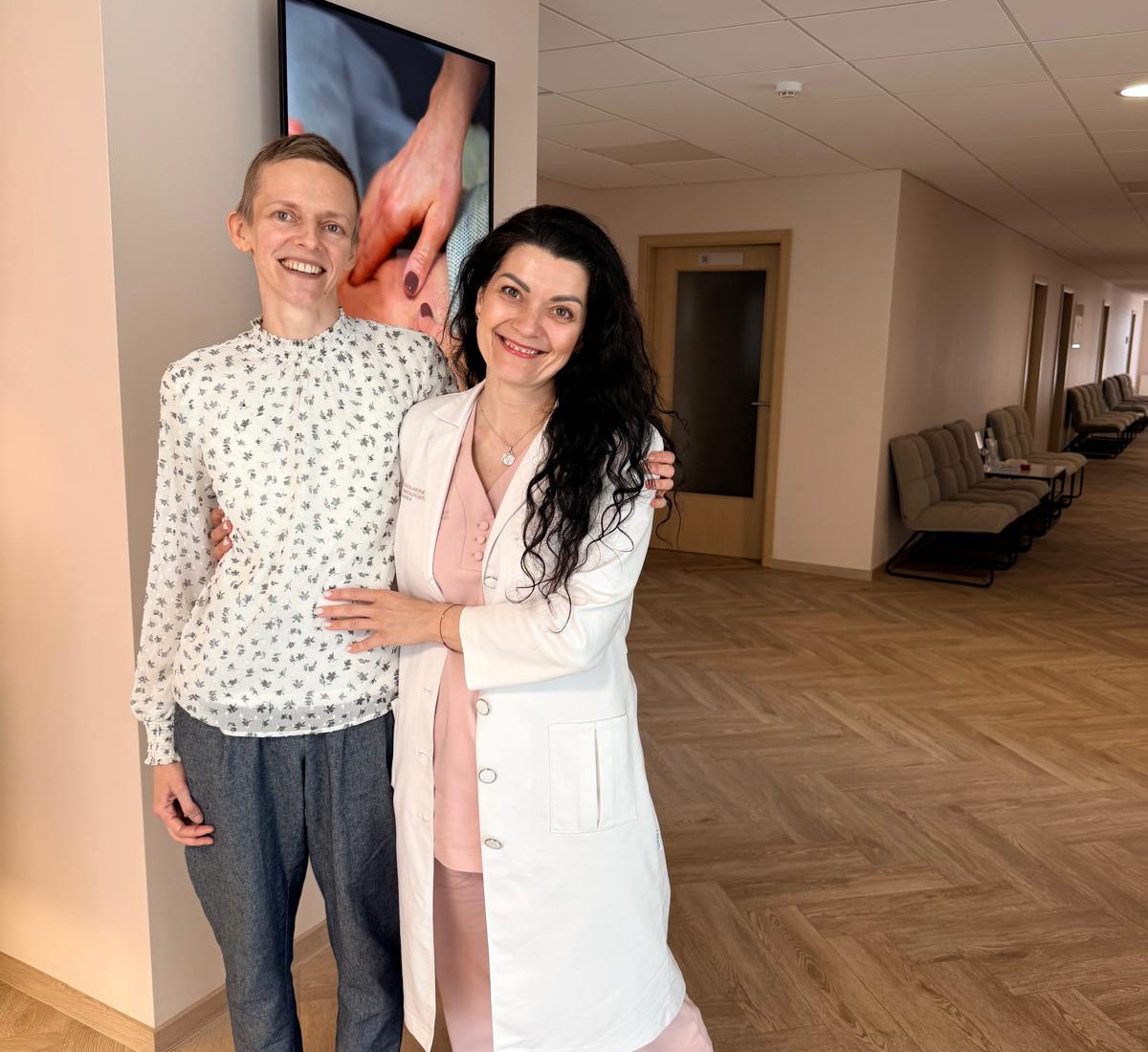
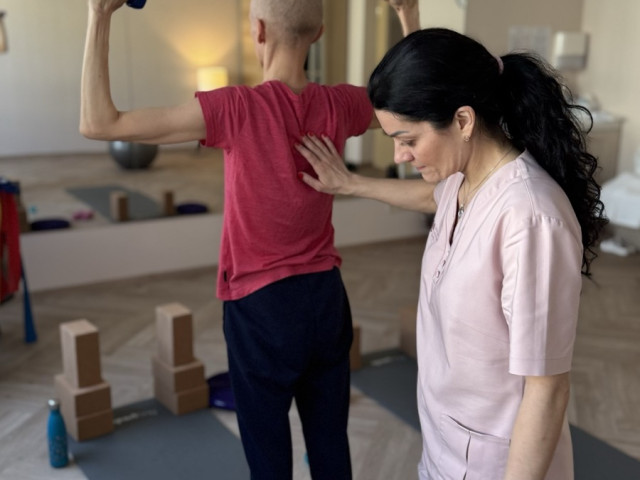
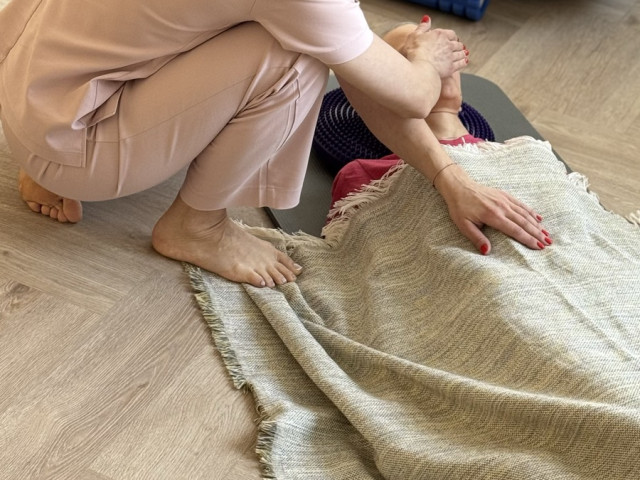
I met integrative oncology doctor Miglė Miliauskaitė in October 2025 at lectures organised by the Public Health Bureau: even then, her lecture and the exercise session in the gym made an impression on me. After my surgery and rehabilitation, I went for my first appointment in December, and from January I started exercising. Miglė helped treat my post-operative scar and, little by little, strengthen my body in the kinesiotherapy gym. At that time I was still having chemotherapy: in chemotherapy weeks I didn’t go, and instead I kept moving at home as much as I could, following Miglė’s advice, and then came back to the gym. At first I was very weak: my muscles had wasted away and my weight was critically low. But the exercise sessions with Miglė – an attentive, empathetic and highly qualified specialist – helped me feel that I could move and do more and more exercises.
Alongside the physical changes, it was also an important emotional step: as if you were re-establishing a conscious, healing connection with your body and regaining hope and self-confidence. What’s more, thanks to special exercises my fatigue eased, my muscles grew and the neuropathy that had troubled me so much during chemotherapy disappeared completely. My wellbeing was also lifted by the aromatherapy and music therapy used in the gym, and by advice on supplements. In the spring, I also had 8 acupuncture sessions with Miglė, which helped with the hot flushes that troubled me at night.
My only regret is that I didn’t hear about integrative oncology earlier, as soon as I was diagnosed.
What would you wish other cancer patients going down this path?
I would wish them to trust professional medicine and to become part of their own treatment team. When you hear the diagnosis and during treatment, you experience all kinds of feelings — don’t be afraid of them, because they all have a right to exist. Just don’t stay alone: accept treatment and support, and heal with love and compassion for yourself.
How have your daily life and your relationship with yourself changed since you added complementary measures to your treatment and recovery?
Since adding complementary measures to my treatment and recovery, I feel more alive: as I mentioned, my muscles are getting stronger, the neuropathy has gone, fatigue bothers me less and the hot flushes are less frequent. Most importantly, I love and feel my body more: when I exercise in the gym, Miglė also encourages me every time to listen to my body.
Why do you think people are afraid to talk about what they have been through? Is “cancer” a frightening word?
People are afraid to talk about what they have been through because, historically, cancer was a fatal disease. Probably every one of us has heard more than one story, seen a film or read a book in which this illness ends in death. So perhaps that is why it is frightening for people who are ill to open up — at least a part of us is very scared of our own fragility.
Yes, I find the word “cancer” frightening too; the term “oncological disease” somehow sounds more neutral. But the truth is that we — ill or not — are all the same: we only have this moment, and if we manage to be truly aware of it, that is what fullness of life is.
How long did your treatment and the use of integrative oncology methods take?
I am currently still receiving biological therapy, I also take special medication, and I am happy to attend kinesiotherapy exercise sessions with my doctor, Miglė Miliauskaitė.
Integrative oncology consultation
Our clinic (29 Vytauto Avenue, Kaunas) has integrative oncology specialists. Book a consultation and put together a recovery plan that is right for you.
